Rats are one of the most common household and agricultural pests. They can contaminate food, damage property, and spread disease if populations are allowed to grow unchecked. Effective rat control requires a combination of proper trapping techniques, correct bait selection, and strategic trap placement.
This rat control guide explains the most effective ways to control rats and prevent infestations using proven pest control strategies.
Signs of a Rat Infestation
Before taking action, it is important to confirm that rats are present.
Common signs include:
- Droppings along walls or near food sources
- Gnaw marks on wood, plastic, or wiring
- Scratching noises in walls or ceilings
- Grease marks along baseboards
- Nests made of shredded paper or insulation
Rats are primarily active at night, so infestations may go unnoticed until these signs become visible.
Why Rats Enter Buildings
Rats typically enter homes, garages, and warehouses for three reasons:
Food
Accessible food sources such as pet food, trash, or stored grain attract rodents.
Shelter
Indoor spaces provide warmth and protection from predators.
Water
Leaks or condensation can provide a reliable water source.
Eliminating these attractants helps reduce the likelihood of infestation.
Types of Rat Control Methods
Several methods are commonly used to control rats.
Mechanical Traps
Mechanical snap traps remain one of the most effective rodent control tools. They are simple, reusable, and provide immediate results without introducing chemicals into the environment.
High quality traps with powerful springs and sensitive triggers are preferred by pest control professionals.
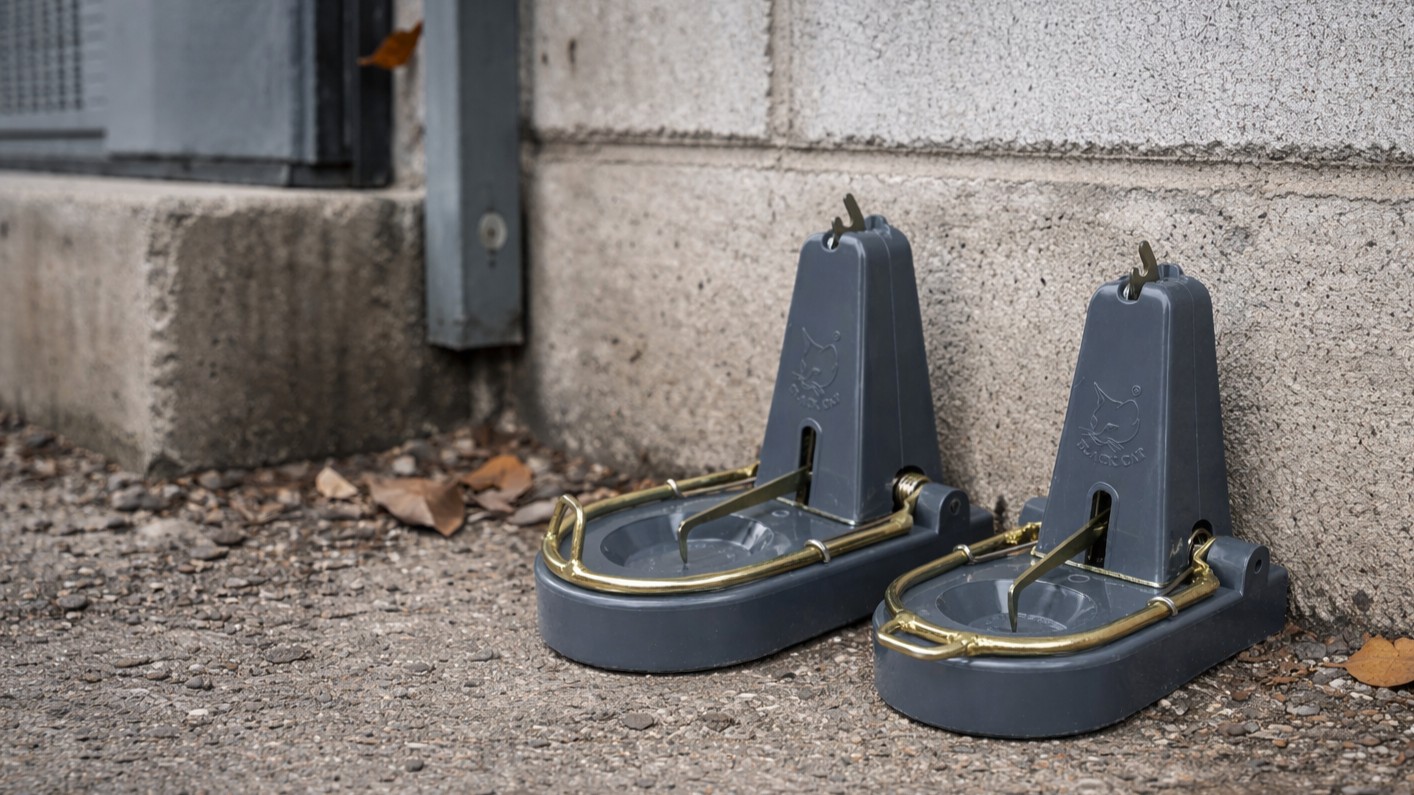
The Black Cat Rat Trap is widely used for rodent control because its bite trigger mechanism activates when bait is pulled upward, ensuring reliable trap activation.
Electric Rat Traps
Electric traps use batteries to deliver a lethal shock when a rodent enters the trap chamber. These traps can be effective but require power sources and periodic maintenance.
Rodent Bait Stations
Poison bait stations are sometimes used in large infestations or commercial environments. However, these methods can create secondary risks if animals consume poisoned rodents.
For many homeowners, mechanical traps provide a simpler and safer solution.
Best Bait for Rat Traps
Choosing the right bait dramatically improves trapping success.
Effective baits include:
- Dried meat
- Nuts
- Dried fruit
- Dry pet food
Firm bait works best because it encourages rats to bite and pull on the trigger mechanism.
Soft foods such as peanut butter can sometimes be consumed without triggering the trap.
Where to Place Rat Traps
Proper placement is critical for successful trapping.
Rats tend to travel along walls and avoid open spaces. Placing traps along these travel paths greatly increases capture rates.
Ideal trap locations include:
- Along baseboards
- Behind appliances
- Inside garages
- Near entry points
- In attics or crawlspaces
The trigger side of the trap should face the wall so rats encounter the bait naturally as they move along their travel route.
Using Multiple Traps
Setting multiple traps increases the likelihood of capturing rodents quickly.
A common recommendation is to place traps 6–10 feet apart along active areas. This creates an interception line that increases trapping success.
Rat Traps for Tight Spaces
Some areas require smaller traps that can fit in narrow locations.
Compact traps designed for tight spaces work well in areas such as:
- Cabinets
- Crawl spaces
- Behind appliances
- Narrow storage areas
The Nano Black Cat Rat Trap is designed specifically for these situations while maintaining the same powerful trigger mechanism.
Preventing Future Rat Problems
Once rats have been eliminated, prevention is important to keep them from returning.
Preventative steps include:
- Sealing gaps and entry points
- Storing food in sealed containers
- Keeping garages and storage areas clean
- Removing clutter that could provide nesting material
Reducing access to food and shelter makes buildings far less attractive to rodents.
Why Mechanical Traps Remain a Trusted Solution
Mechanical rat traps have been used successfully for generations because they are simple, effective, and reliable. With proper bait and placement, traps can eliminate rodents quickly without relying on chemicals.
Durable traps designed for repeated use provide a practical long-term solution for both homeowners and professionals.
A durable trap like the Black Cat Rat Trap helps eliminate rodents quickly and effectively.
How to Catch a Rat in Your Garage (Step-by-Step Guide)
Where to Place Rat Traps for the Best Results
Best Rat Trap for Fast and Effective Rodent Control | Black Cat Rat Traps
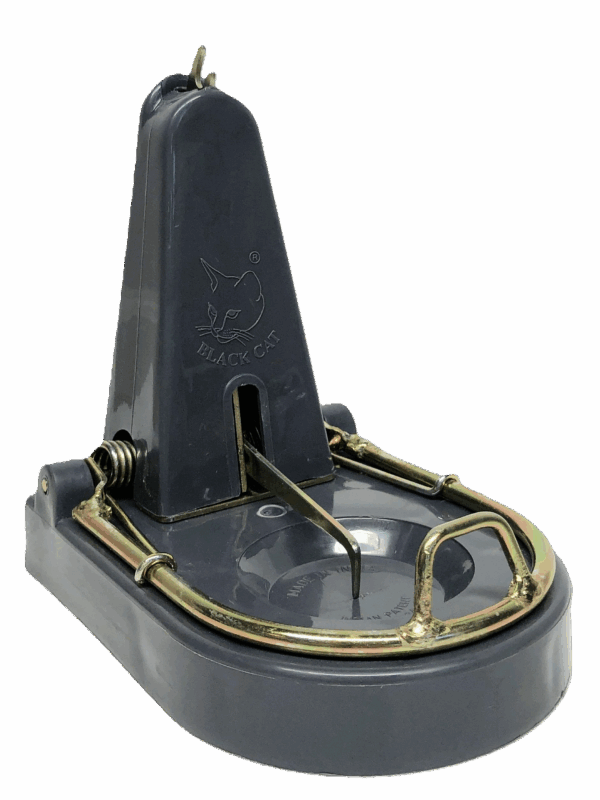
Black Cat Heavy Duty Rat and Rodent Trap
Original Black Cat Heavy Duty Rat and Rodent Trap Now Available
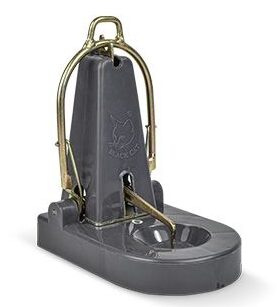
Nano Black Cat Heavy Duty Rat and Rodent Trap
Nano Black Cat Rat Trap; compact rat trap with a powerful dual spring kill bar and bite to trigger design for fast, effective rodent control in tight spaces
Leave a Reply
You must be logged in to post a comment.