Author: Blackcat

  • How Many Rat Traps Should I Use? A Complete Guide

    One of the most common questions people ask when dealing with rodents is how many rat traps they should use.

    Many people place only one trap and expect immediate results. Unfortunately, this approach rarely works.

    Professional pest control technicians almost always use multiple traps at once to increase the chances of catching rats quickly.

    Understanding how many traps to use can dramatically improve your success in controlling a rodent problem.


    Why One Rat Trap Usually Fails

    Using a single rat trap often leads to frustration.

    Rats are cautious animals and may avoid traps that appear unfamiliar.

    Additionally, homes, garages, barns, and warehouses often contain multiple rats rather than just one.

    Using only one trap means:

    • Fewer chances to catch rats
    • Slower results
    • Higher chance rats avoid the trap

    Multiple traps increase the probability that rats will encounter one.


    General Rule for Rat Trap Numbers

    A good rule used by pest control professionals is:

    Use more traps than you think you need.

    Typical recommendations include:

    • Small room: 2–4 traps
    • Garage: 4–6 traps
    • Barn: 6–12 traps
    • Warehouse: 10+ traps depending on size

    Using more traps dramatically improves success rates.


    Trap Spacing Guidelines

    When placing multiple traps, spacing is important.

    Professional guidelines recommend placing traps 10 to 20 feet apart along walls.

    Rats typically follow predictable travel routes along walls, making these locations ideal for traps.


    Focus on High Activity Areas

    Instead of spreading traps randomly, focus on areas where rats are most active.

    Look for signs such as:

    • Droppings
    • Gnaw marks
    • Grease marks along walls
    • Food sources
    • Nesting areas

    These locations provide the highest chance of success.


    Place Traps Along Walls

    Rats prefer to travel along edges rather than open spaces.

    Always position traps:

    • Perpendicular to the wall
    • Trigger facing the wall

    This placement ensures rats encounter the trigger naturally.


    Consider Pre-Feeding When Rats Avoid Traps

    If rats avoid traps or repeatedly steal bait, pre-feeding can help.

    Pre-feeding involves placing traps unset with bait for several nights.

    Oats are commonly used because rats will return repeatedly to feed on them.

    Once rats become comfortable feeding from the trap, the trap can be set to increase capture rates.


    Choosing the Right Trap

    The design of the trap can also influence how many traps are needed.

    Traps that allow bait theft or require precise downward pressure sometimes fail to catch rats consistently.

    Professional-grade traps designed with reliable trigger mechanisms often improve success rates.


    Why the Black Cat Rat Trap Is Effective

    The Black Cat Rat Trap is designed with a unique upward-triggering mechanism.

    When a rat pulls upward on the bait, the trap activates quickly.

    This design helps prevent bait theft and increases capture success.

    When used in proper quantities and combined with good placement techniques, traps like the Black Cat can help property owners, farms, and warehouses control rodent problems much more efficiently.

    Best Professional Rat Traps for Reliable Rodent Control | Black Cat

    Best Rat Trap for Fast and Effective Rodent Control | Black Cat Rat Traps

    Best Rat Trap for Trap Shy Rats | How to Catch Rats That Avoid Traps

    Rat Stealing Bait From Trap? Why It Happens and How to Stop It

  • Rat Stealing Bait From Trap? Why It Happens and How to Stop It

    One of the most frustrating problems in rodent control is discovering that rats have stolen the bait from a trap without triggering it. Many homeowners and property managers experience this situation repeatedly.

    You carefully place bait on a rat trap in the evening, only to find the bait gone the next morning while the trap remains untouched.

    This problem is extremely common and usually happens because of rat behavior combined with trap design.

    Fortunately, several proven techniques can stop rats from stealing bait and dramatically improve trapping success.


    Why Rats Steal Bait From Traps

    Rats are intelligent animals that are cautious around new objects. When a rat encounters a trap, it may approach slowly and test the bait carefully.

    Many standard rat traps allow rats to remove bait without applying enough pressure to activate the trigger.

    Common reasons rats steal bait include:

    • Weak trigger mechanisms
    • Bait placed incorrectly
    • Traps positioned in the wrong location
    • Traps that rely on downward pressure
    • Cautious or trap-shy rats

    Once a rat successfully steals bait from a trap, it may continue doing so repeatedly.


    Use Sticky Baits Instead of Loose Food

    Loose foods like cheese or bread are easy for rats to remove without triggering the trap.

    Instead, use sticky baits that force the rat to interact with the trigger.

    Good bait choices include:

    • Peanut butter (On appropriate traps)
    • Chocolate spread
    • Soft jerky
    • Nut butter mixtures

    These foods stick to the trigger plate, making it much harder for rats to steal bait without activating the trap.


    Use Small Amounts of Bait

    Many people add too much bait to the trap.

    Large amounts of bait allow rats to nibble small pieces without triggering the trap.

    A small pea-sized amount of bait works best.

    This forces the rat to pull directly on the trigger mechanism.


    Pre-Feed Rats to Build Confidence

    If rats have been avoiding traps or stealing bait repeatedly, the pre feeding technique can be very effective.

    Pre feeding allows rats to become comfortable eating from the trap before it is activated.

    How to Pre Feed Rats

    1. Place the trap without setting it.
    2. Add bait such as oats or peanut butter.
    3. Allow rats to feed on the bait for several nights.
    4. Once rats are confidently eating, set the trap.

    Oats work especially well because rats can easily feed on them and often return repeatedly.

    By allowing rats to feed safely from the trap first, their confidence increases. When the trap is finally activated, they are much more likely to trigger it.


    Place Traps Along Walls

    Rats rarely travel across open spaces.

    Instead, they move along walls and edges to stay protected.

    For best results:

    • Place traps along walls
    • Position traps perpendicular to the wall
    • Face the trigger toward the wall

    This placement ensures the rat naturally encounters the trigger as it travels along its normal path.


    Use Multiple Traps

    When dealing with rats that steal bait, using only one trap often fails.

    Professional pest control technicians typically use several traps at once.

    Spacing traps every 10 to 20 feet along walls increases the chances of success.


    Why Trap Design Matters

    Many traditional traps rely on downward pressure triggers.

    Rats can sometimes remove bait from these traps without applying enough pressure to activate the mechanism.

    This is one reason bait theft is so common.

    Traps designed with more responsive triggers are often more successful at catching cautious rats.


    Why the Black Cat Rat Trap Helps Prevent Bait Theft

    The Black Cat Rat Trap uses a unique upward-triggering mechanism.

    Instead of requiring downward pressure, the trap activates when a rat pulls upward on the bait.

    This natural motion makes it much harder for rats to steal bait without triggering the trap.

    When combined with techniques like pre feeding with oats, the trap becomes even more effective.

    Rats gain confidence feeding from the trap and are more likely to trigger the mechanism once it is set.

    For situations where rats repeatedly steal bait from traps, using a trap designed to trigger more reliably can make a significant difference.

    Best Professional Rat Traps for Reliable Rodent Control | Black Cat

    Best Rat Trap for Fast and Effective Rodent Control | Black Cat Rat Traps

    Best Rat Trap for Trap Shy Rats | How to Catch Rats That Avoid Traps

  • Best Rat Trap for Trap Shy Rats | How to Catch Rats That Avoid Traps

    How to Catch Trap-Shy Rats: Proven Methods That Actually Work

    Rats are intelligent animals. After encountering traps or danger, many become what pest control professionals call trap shy rats. These rodents learn to avoid traditional traps or steal bait without triggering them.

    If you have ever placed a rat trap only to find the bait missing the next morning, you have likely experienced this problem.

    Fortunately, there are several proven techniques used by pest control professionals to catch trap-shy rats effectively. Understanding rat behavior and adjusting your trapping strategy can dramatically increase success.


    Why Rats Become Trap Shy

    Rats quickly learn from negative experiences. If a rat is startled by a trap snapping or sees another rat injured, it may avoid similar traps in the future.

    Common reasons rats become trap-shy include:

    • Poorly placed traps
    • Weak trigger mechanisms
    • Traps that allow bait theft
    • Traps placed in open areas
    • Repeated exposure to the same trap

    When rats become cautious, traditional snap traps often fail.


    Signs You Are Dealing With Trap-Shy Rats

    Several clues indicate rats may be avoiding traps rather than simply ignoring them.

    Look for these signs:

    • Bait missing but trap not triggered
    • Traps repeatedly left untouched
    • Rat droppings near traps
    • Food disappearing overnight without capture
    • Rats seen but never caught

    When this occurs, changing your approach is necessary.


    Technique 1: Pre-Feeding Rats to Build Confidence

    One of the most effective professional techniques for catching trap shy rats is pre-feeding.

    Pre feeding allows rats to become comfortable with the trap before it is activated.

    How Pre-Feeding Works

    1. Place the rat trap without setting it.
    2. Add bait such as oats, grains, or peanut butter.
    3. Allow rats to feed on the bait for several nights.
    4. Once rats are confidently eating from the trap, set the trap.

    Oats are commonly used because they are easy for rats to eat and they encourage repeated feeding.

    During the pre feeding period, rats begin to view the trap as a safe food source rather than a threat.

    Once the trap is finally set, the rat’s guard is lowered and capture rates increase dramatically.

    This technique is widely used in warehouses, barns, and commercial facilities where rats have learned to avoid traps.


    Technique 2: Place Traps Along Walls

    Rats rarely travel across open spaces. Instead, they move along walls and edges for protection.

    Proper trap placement dramatically increases effectiveness.

    Best locations include:

    • Along walls
    • Behind equipment
    • Near food sources
    • Inside garages or barns
    • Near rodent entry points

    Always place traps perpendicular to the wall, with the trigger facing the wall. This ensures the rat encounters the trigger naturally as it travels along its path.


    Technique 3: Use Multiple Traps

    When dealing with trap-shy rats, using only one trap often fails.

    Professional pest control technicians typically use multiple traps at once.

    Placing several traps increases the chances that a rat will interact with one of them.

    Spacing traps every 10–20 feet along walls can significantly improve results.


    Technique 4: Use the Right Bait

    Some rats ignore certain baits depending on available food sources.

    Effective rat baits include:

    • Peanut butter
    • Dried meat or jerky
    • Nuts
    • Oats or grains
    • Chocolate

    Experimenting with different baits can help determine what rats in your environment prefer.


    The Problem With Many Standard Rat Traps

    Many standard rat traps rely on downward pressure triggers.

    This design allows rats to:

    • Steal bait from the trap
    • Nibble around the trigger
    • Avoid triggering the mechanism entirely

    Trap shy rats quickly learn how to defeat these traps.

    This is why pest control professionals often look for traps designed to prevent bait theft and trigger more reliably.


    Why the Black Cat Rat Trap Is Effective for Trap Shy Rats

    The Black Cat Rat Trap was designed with a unique upward-triggering mechanism.

    When a rat pulls upward on the bait, the trigger activates instantly.

    This design reduces the common problem of rats stealing bait without triggering the trap.

    Combined with the pre feeding technique, the trap becomes even more effective.

    By allowing rats to eat oats or other attractive baits from the trap for several nights before setting it, they gain confidence around the device. Once the trap is finally activated, the upward trigger mechanism helps ensure the rat cannot easily steal the bait.

    The result is a trapping system that works well even when dealing with experienced or trap shy rats.


    Final Thoughts

    Catching trap-shy rats requires patience and the right strategy.

    Techniques like:

    • Pre feeding with oats
    • Proper trap placement
    • Using multiple traps
    • Selecting the right bait

    can dramatically improve success.

    However, the design of the trap itself also plays a critical role. Traps that allow bait theft or require precise downward pressure often fail against cautious rats.

    By combining professional trapping techniques with a trap designed to trigger reliably, it becomes much easier to control even difficult rodent infestations.

    The Black Cat Rat Trap offers a durable, professional solution for situations where ordinary traps fail, helping property owners, farms, warehouses, and pest control professionals solve one of the most frustrating problems in rodent control.


    Frequently Asked Questions

    What are trap-shy rats?

    Trap shy rats are rodents that have learned to avoid traps after previous encounters with them.

    Why do rats steal bait from traps?

    Many traps allow rats to remove bait without triggering the mechanism, especially if the trigger requires downward pressure.

    What bait works best for rats?

    Peanut butter, oats, nuts, dried meat, and chocolate are commonly effective rat baits.

    How long should you pre-feed rats?

    Pre feeding typically lasts 2–4 nights before setting the trap.

    Best Professional Rat Traps for Reliable Rodent Control | Black Cat

    Best Rat Trap for Fast and Effective Rodent Control | Black Cat Rat Traps

    The Complete Guide to Rat Control (Traps, Bait, and Prevention)

  • Wholesale Rat Traps for Hardware Stores & Farm Supply Retailers | Black Cat West

    Become a Retail Partner with Black Cat West

    Black Cat West is the exclusive U.S. supplier of Black Cat Rat Traps, a professional rodent control solution trusted internationally for its strength, reliability, and effectiveness.

    We work directly with independent hardware stores, farm and ranch supply retailers, feed stores, and pest control suppliers who want to offer their customers a proven rat trap designed to perform in real-world conditions.

    If your customers regularly deal with rodent problems in barns, warehouses, farms, garages, or commercial buildings, Black Cat Rat Traps provide a durable and effective solution.

    Retailers across the United States choose Black Cat West as a wholesale rat trap supplier because the product delivers consistent performance and repeat sales.


    Why Hardware Stores Carry Black Cat Rat Traps

    Independent hardware stores and farm supply retailers often need rodent control products that work better than standard traps found in big box stores.

    Black Cat Rat Traps are designed to meet that need.

    Unique Upward Trigger Mechanism

    Unlike traditional snap traps that rely on downward pressure, the Black Cat trap uses an upward triggering mechanism. Rats naturally pull bait upward, which activates the trap quickly and reduces bait theft.

    Heavy Duty Construction

    The trap is built with strong metal components and powerful springs, allowing it to handle repeated use in demanding environments.

    Trusted by Professionals

    Black Cat Rat Traps are widely used by:

    • Pest control professionals
    • Farm operators
    • Warehouse managers
    • Property owners
    • Maintenance teams

    Retailers appreciate offering a professional-grade rat trap that customers trust.


    Ideal Retailers for Black Cat Rat Traps

    Black Cat Rat Traps perform especially well in stores that serve customers dealing with serious rodent problems.

    These retailers commonly carry our traps:

    • Independent hardware stores
    • Farm and ranch supply stores
    • Feed stores
    • Agricultural retailers
    • Garden centers
    • Pest control suppliers
    • Building supply stores

    If your customers purchase rodent control products regularly, adding Black Cat traps to your shelves can provide a reliable solution.


    Wholesale Rat Trap Supplier for Independent Retailers

    Black Cat West focuses on working with independent retailers and regional distributors throughout the United States.

    Retail partners benefit from:

    • Competitive wholesale pricing
    • Strong retail margins
    • Durable professional product
    • Reliable supply from a U.S. distributor

    Our goal is to help retailers offer a high-quality rat trap that stands out from standard snap traps commonly available in retail stores.


    Applications for Black Cat Rat Traps

    Customers purchase Black Cat traps for use in many environments, including:

    • Farms and barns
    • Warehouses
    • Restaurants
    • Garages and workshops
    • Agricultural facilities
    • Commercial buildings
    • Residential properties

    Because of their durability and effectiveness, many customers return to purchase additional traps after trying them.

    This repeat purchasing behavior makes the product attractive for retailers.


    Wholesale Orders and Retail Distribution

    Black Cat West supplies wholesale rat traps to retailers across the United States.

    Orders are typically shipped in convenient case quantities designed for retail display and stocking.

    We welcome wholesale inquiries from:

    • Hardware stores
    • Farm supply retailers
    • Pest control suppliers
    • Distributors
    • Agricultural retailers

    Become a Black Cat Rat Trap Retailer

    If you are interested in carrying Black Cat Rat Traps in your store, we would be happy to discuss wholesale options.

    Please contact us to learn more about:

    • Wholesale pricing
    • Order quantities
    • Retail partnerships
    • Distribution opportunities

    Black Cat West is committed to supporting independent retailers who want to offer a proven professional rat trap to their customers.


    Contact Section

    For wholesale inquiries please contact:

    Black Cat West
    Email: Sales@blackcatwest.com
    Website: blackcatwest.com

    Best Professional Rat Traps for Reliable Rodent Control | Black Cat

    The Black Cat Difference

    Nano Black Cat Heavy Duty Rat and Rodent Trap

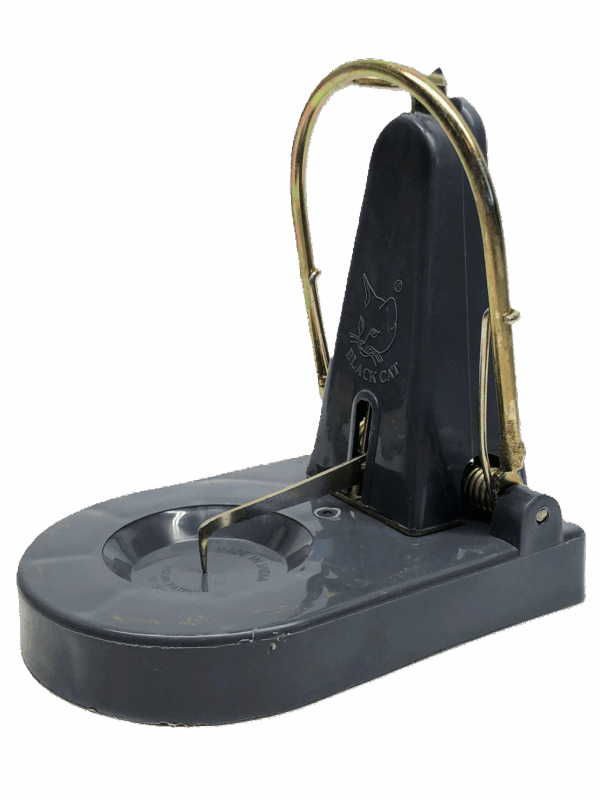
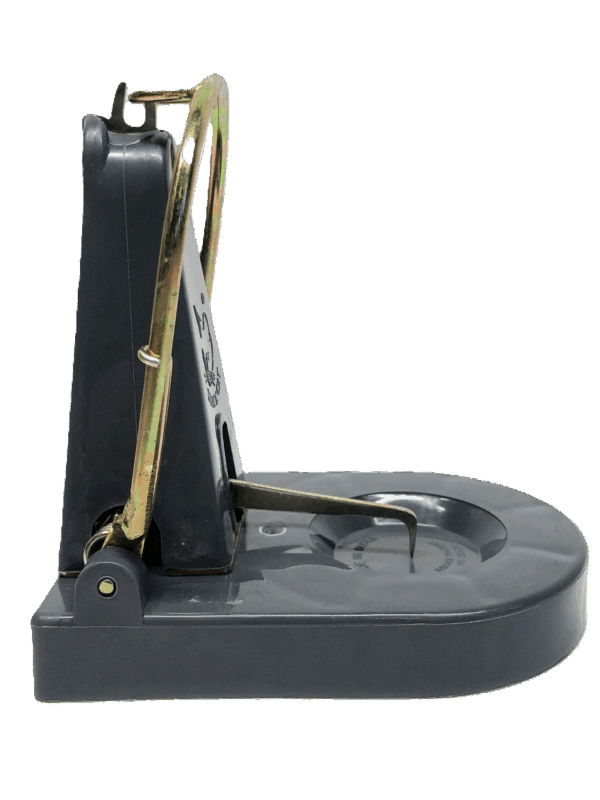
    Black Cat Heavy Duty Rat and Rodent Trap

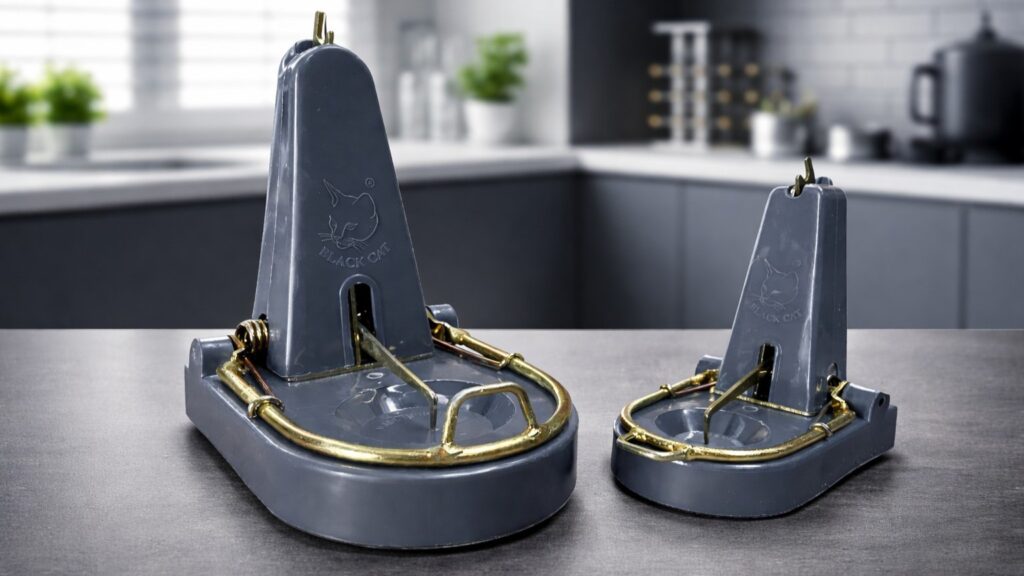
    Black Cat Rat Traps on modern table with Kitchen background
    Black Cat Rat Traps on modern table with Kitchen background

    FAQ

    Do hardware stores carry rat traps wholesale?
    Yes. Many hardware stores purchase rat traps through wholesale suppliers such as Black Cat West.

    What rat traps do pest control professionals use?
    Many pest control professionals prefer heavy-duty traps designed to catch trap-shy rodents.

    What bait works best in rat traps?
    Common baits include dried meat, jerky, peanut butter, and nuts

  • How to Stop Rats from Chewing Wires in Garages, Barns, and Equipment

    Rats chewing wires is a surprisingly common and costly problem for homeowners, farmers, and equipment owners. Rodents often chew electrical wiring in garages, barns, workshops, and farm equipment. This behavior can damage vehicles, disable machinery, and even create fire hazards.

    Understanding why rats chew wires and how to stop them quickly can help prevent expensive repairs and protect valuable equipment.


    Why Rats Chew Wires

    Rats constantly chew materials to keep their teeth from growing too long. Electrical wiring, plastic insulation, and rubber coatings are easy targets for rodents.

    Several factors attract rats to wiring areas:

    Warm shelter
    Garages, barns, and equipment bays provide warm protected spaces where rats can nest.

    Food nearby
    Livestock feed, pet food, or grain storage can attract rodents to the area.

    Nesting materials
    Rats often collect insulation, paper, or fabric to build nests near machinery or stored equipment.

    Once rats establish themselves in these areas, wiring often becomes one of the first things they damage.


    Damage Rats Can Cause to Equipment and Buildings

    Rats chewing wires can cause a wide range of costly problems.

    Common damage includes:

    • Electrical shorts in vehicles or tractors
    • Damaged wiring harnesses in farm equipment
    • Power outages in workshops or barns
    • Malfunctioning garage door openers
    • Fire hazards caused by exposed wiring

    Farmers and equipment owners frequently discover rodent damage only after a machine fails to start or electrical systems stop working.


    Signs Rats Are Chewing Wires

    Early detection can help prevent serious damage.

    Look for these warning signs:

    • Gnaw marks on wiring insulation
    • Small piles of plastic or rubber debris
    • Rat droppings near equipment
    • Scratching sounds in walls or ceilings
    • Nests near machinery or electrical panels

    If these signs appear, immediate rodent control is recommended.


    Best Way to Stop Rats from Chewing Wires

    The most reliable way to stop rats from damaging wiring is to eliminate the rodents themselves.

    Mechanical snap traps remain one of the most effective tools for controlling rats in garages, barns, workshops, and equipment storage areas.

    Heavy duty traps with strong springs and reliable trigger mechanisms provide fast and consistent results.

    The Black Cat Rat Trap is designed for powerful rodent control and is widely used in environments where durability and performance are important. Its unique bite-trigger mechanism activates when bait is pulled upward, allowing the trap to respond naturally when a rat interacts with the bait.


    Where to Place Rat Traps Around Equipment

    Proper trap placement greatly increases success when controlling rats.

    Recommended locations include:

    • Along walls inside garages or barns
    • Near feed storage or grain bins
    • Behind equipment or tool benches
    • Near entry points where rodents may enter the building

    Because rats prefer to travel along walls rather than open areas, traps should be placed directly along these paths.

    Position the trigger side of the trap facing the wall so that rats moving along the edge encounter the bait naturally.


    Best Bait for Trapping Rats

    Firm bait that requires rats to bite and pull works best for activating trap triggers.

    Effective bait options include:

    • Dried meat
    • Nuts
    • Dried fruit
    • Dry pet food

    Small pieces of firm bait encourage rats to tug on the trigger, ensuring the trap activates properly.


    Preventing Future Rodent Damage

    Once rats are eliminated, a few simple steps can help prevent them from returning.

    Recommended prevention measures include:

    • Sealing small gaps or entry points in buildings
    • Storing feed in sealed containers
    • Removing clutter where rats may nest
    • Keeping equipment areas clean and organized

    Reducing food sources and hiding places makes garages, barns, and workshops far less attractive to rodents.


    Protecting Equipment from Rat Damage

    Rats chewing wires can lead to expensive repairs and equipment downtime. Taking quick action to control rodents helps prevent further damage and protects valuable machinery.

    Using reliable traps in areas where rats travel is one of the most effective ways to stop rodent activity before it causes serious problems.

    A durable trap like the Black Cat Rat Trap helps eliminate the rodents responsible for wire damage, helping protect garages, barns, and equipment from costly rodent destruction.

    Black Cat Heavy Duty Rat and Rodent Trap

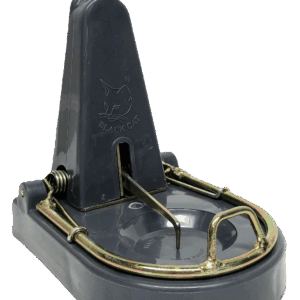
    Original Black Cat Heavy Duty Rat and Rodent Trap Now Available
    Category:
    Tags:

    Nano Black Cat Heavy Duty Rat and Rodent Trap

    Nano Black Cat Rat Trap; compact rat trap with a powerful dual spring kill bar and bite to trigger design for fast, effective rodent control in tight spaces

    Category:
    Tags:
  • Best Professional Rat Traps for Reliable Rodent Control | Black Cat

    Professional rat traps are designed to provide stronger performance, better durability, and more reliable results than standard household traps. Whether controlling rodents in homes, garages, farms, or commercial buildings, choosing the right trap can make a significant difference in how quickly and effectively rats are eliminated.

    This guide explains what makes a rat trap “professional grade” and highlights some of the most effective traps used for reliable rodent control.


    What Makes a Rat Trap Professional Grade?

    Professional rat traps are built with several important features that distinguish them from basic traps found in many stores.

    Stronger Spring Power

    Professional traps use stronger spring systems that deliver a powerful strike. This ensures the rat is dispatched quickly and reduces the chances of escape.


    Sensitive Trigger Mechanism

    A well designed trigger mechanism allows the trap to activate easily when a rat interacts with the bait. Sensitive triggers reduce the likelihood that rodents can steal bait without triggering the trap.


    Durable Construction

    Commercial traps are designed for repeated use. Durable materials such as reinforced plastic bases and heavy steel kill bars allow the trap to remain effective after many uses.


    Reliable Activation

    Professional pest control operators prefer traps that activate consistently when rodents interact with bait. A reliable trigger system improves capture rates and reduces wasted bait.


    Types of Professional Rat Traps

    Several types of traps are commonly used for rodent control.

    Snap Traps

    Snap traps remain the most widely used professional rat traps. These traps use powerful springs and a kill bar that strikes when the trigger is activated.

    Advantages include:

    • Fast results
    • Reusable design
    • Simple operation
    • No chemicals or poisons

    Because of their reliability, snap traps remain the preferred solution for many pest control professionals.


    Electric Rat Traps

    Electric traps use battery-powered electrodes to deliver a lethal shock when a rodent enters the trap chamber. While effective, they require batteries and may require periodic maintenance.


    Multi-Catch Traps

    Multi catch traps capture multiple rodents without resetting. These traps are sometimes used in commercial environments but may require more frequent monitoring.


    Recommended Professional Rat Trap

    One of the most effective professional grade traps is the Black Cat Rat Trap, known for its unique triggering mechanism and durable construction.

    Unlike traditional snap traps, the Black Cat trap activates when the bait is bitten and tugged upward. This bite trigger mechanism ensures reliable activation when a rat interacts with the bait.

    Key features include:

    • Powerful dual springs for strong strike force
    • Heavy-duty steel kill bar
    • Durable construction for repeated use
    • Unique bite-trigger mechanism for reliable activation
    • Simple design that is easy to set

    These features make the Black Cat Rat Trap a trusted choice for reliable rodent control.


    Professional Rat Traps for Tight Spaces

    Some environments require traps that fit into smaller areas such as cabinets, crawlspaces, or behind appliances.

    Compact traps can be useful for intercepting rodents in narrow travel paths where larger traps cannot fit.

    The Nano Black Cat Rat Trap provides the same powerful triggering mechanism in a smaller size designed for tight spaces.

    These compact traps are ideal for:

    • Garages
    • Storage rooms
    • Cabinets
    • Crawlspaces
    • Behind appliances

    Using a trap that fits the environment greatly improves trapping success.


    How Professionals Set Rat Traps

    Pest control professionals follow several best practices when setting rat traps.

    Place Traps Along Walls

    Rats prefer to travel along walls rather than across open spaces. Placing traps along baseboards or edges increases the likelihood that rodents will encounter them.


    Position the Trigger Toward the Wall

    Positioning the trigger side toward the wall allows rats to encounter the bait naturally as they move along their travel path.


    Use Multiple Traps

    Using several traps spaced along areas of rodent activity increases the chances of catching rats quickly.


    Use Firm Bait

    Firm bait such as dried meat, nuts, or dried fruit encourages rats to bite and pull, which helps activate the trap trigger.


    Why Professional Traps Are More Effective

    Professional rat traps are designed for performance and reliability. Stronger springs, durable construction, and sensitive triggers ensure that the trap activates quickly and consistently.

    When combined with proper bait and placement, these traps provide one of the most effective methods for controlling rat infestations.


    Choosing the Best Professional Rat Trap

    Selecting the best professional rat trap depends on the environment and the level of rodent activity.

    For most situations, a durable snap trap with strong spring power and a reliable trigger system provides the fastest and most effective results.

    Professional grade traps such as the Black Cat Rat Trap offer the performance and durability needed for dependable rodent control in both residential and commercial environments.


    FAQ: Professional Rat Traps

    What is a professional rat trap?

    A professional rat trap is a heavy duty trap designed for reliable rodent control. These traps typically feature stronger springs, durable materials, and sensitive trigger mechanisms.


    Are professional rat traps better than standard traps?

    Professional traps are often more durable and reliable. They are designed for repeated use and typically provide faster, more consistent results.


    What bait works best in professional rat traps?

    Firm bait such as dried meat, nuts, and dried fruit tends to work best because it encourages rats to bite and tug on the trigger mechanism.


    Where should professional rat traps be placed?

    Traps should be placed along walls, near entry points, and in areas where rat activity has been observed.

    How to Catch a Rat in Your Garage (Step-by-Step Guide)

    Where to Place Rat Traps for the Best Results

    The Complete Guide to Rat Control (Traps, Bait, and Prevention)

    Best Rat Trap for Fast and Effective Rodent Control | Black Cat Rat Traps

    Black Cat Heavy Duty Rat and Rodent Trap

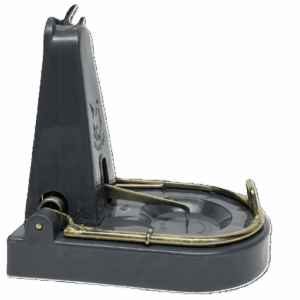
    Original Black Cat Heavy Duty Rat and Rodent Trap Now Available
    Category:
    Tags:

    Nano Black Cat Heavy Duty Rat and Rodent Trap

    Nano Black Cat Rat Trap; compact rat trap with a powerful dual spring kill bar and bite to trigger design for fast, effective rodent control in tight spaces

    Category:
    Tags:
  • The Complete Guide to Rat Control (Traps, Bait, and Prevention)

    Rats are one of the most common household and agricultural pests. They can contaminate food, damage property, and spread disease if populations are allowed to grow unchecked. Effective rat control requires a combination of proper trapping techniques, correct bait selection, and strategic trap placement.

    This rat control guide explains the most effective ways to control rats and prevent infestations using proven pest control strategies.


    Signs of a Rat Infestation

    Before taking action, it is important to confirm that rats are present.

    Common signs include:

    • Droppings along walls or near food sources
    • Gnaw marks on wood, plastic, or wiring
    • Scratching noises in walls or ceilings
    • Grease marks along baseboards
    • Nests made of shredded paper or insulation

    Rats are primarily active at night, so infestations may go unnoticed until these signs become visible.


    Why Rats Enter Buildings

    Rats typically enter homes, garages, and warehouses for three reasons:

    Food
    Accessible food sources such as pet food, trash, or stored grain attract rodents.

    Shelter
    Indoor spaces provide warmth and protection from predators.

    Water
    Leaks or condensation can provide a reliable water source.

    Eliminating these attractants helps reduce the likelihood of infestation.


    Types of Rat Control Methods

    Several methods are commonly used to control rats.

    Mechanical Traps

    Mechanical snap traps remain one of the most effective rodent control tools. They are simple, reusable, and provide immediate results without introducing chemicals into the environment.

    High quality traps with powerful springs and sensitive triggers are preferred by pest control professionals.

    The Black Cat Rat Trap is widely used for rodent control because its bite trigger mechanism activates when bait is pulled upward, ensuring reliable trap activation.


    Electric Rat Traps

    Electric traps use batteries to deliver a lethal shock when a rodent enters the trap chamber. These traps can be effective but require power sources and periodic maintenance.


    Rodent Bait Stations

    Poison bait stations are sometimes used in large infestations or commercial environments. However, these methods can create secondary risks if animals consume poisoned rodents.

    For many homeowners, mechanical traps provide a simpler and safer solution.


    Best Bait for Rat Traps

    Choosing the right bait dramatically improves trapping success.

    Effective baits include:

    • Dried meat
    • Nuts
    • Dried fruit
    • Dry pet food

    Firm bait works best because it encourages rats to bite and pull on the trigger mechanism.

    Soft foods such as peanut butter can sometimes be consumed without triggering the trap.


    Where to Place Rat Traps

    Proper placement is critical for successful trapping.

    Rats tend to travel along walls and avoid open spaces. Placing traps along these travel paths greatly increases capture rates.

    Ideal trap locations include:

    • Along baseboards
    • Behind appliances
    • Inside garages
    • Near entry points
    • In attics or crawlspaces

    The trigger side of the trap should face the wall so rats encounter the bait naturally as they move along their travel route.


    Using Multiple Traps

    Setting multiple traps increases the likelihood of capturing rodents quickly.

    A common recommendation is to place traps 6–10 feet apart along active areas. This creates an interception line that increases trapping success.


    Rat Traps for Tight Spaces

    Some areas require smaller traps that can fit in narrow locations.

    Compact traps designed for tight spaces work well in areas such as:

    • Cabinets
    • Crawl spaces
    • Behind appliances
    • Narrow storage areas

    The Nano Black Cat Rat Trap is designed specifically for these situations while maintaining the same powerful trigger mechanism.


    Preventing Future Rat Problems

    Once rats have been eliminated, prevention is important to keep them from returning.

    Preventative steps include:

    • Sealing gaps and entry points
    • Storing food in sealed containers
    • Keeping garages and storage areas clean
    • Removing clutter that could provide nesting material

    Reducing access to food and shelter makes buildings far less attractive to rodents.


    Why Mechanical Traps Remain a Trusted Solution

    Mechanical rat traps have been used successfully for generations because they are simple, effective, and reliable. With proper bait and placement, traps can eliminate rodents quickly without relying on chemicals.

    Durable traps designed for repeated use provide a practical long-term solution for both homeowners and professionals.

    A durable trap like the Black Cat Rat Trap helps eliminate rodents quickly and effectively.

    How to Catch a Rat in Your Garage (Step-by-Step Guide)

    Where to Place Rat Traps for the Best Results

    Best Rat Trap for Fast and Effective Rodent Control | Black Cat Rat Traps

    Black Cat Heavy Duty Rat and Rodent Trap

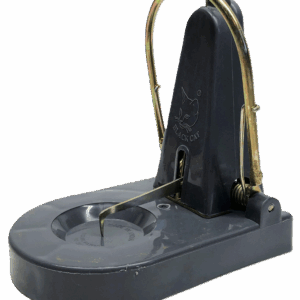
    Original Black Cat Heavy Duty Rat and Rodent Trap Now Available
    Category:
    Tags:

    Nano Black Cat Heavy Duty Rat and Rodent Trap

    Nano Black Cat Rat Trap; compact rat trap with a powerful dual spring kill bar and bite to trigger design for fast, effective rodent control in tight spaces

    Category:
    Tags:
  • How to Catch a Rat in Your Garage (Step-by-Step Guide)

    How to Catch a Rat in Your Garage

    Rats often enter garages looking for food, shelter, and nesting materials. Once inside, they can chew wiring, damage stored items, and contaminate areas with droppings. The good news is that with the right trapping strategy, rats can usually be eliminated quickly.

    This guide explains how to catch a rat in your garage using proper trap placement, effective bait, and proven rodent control methods.


    Step 1: Identify Rat Activity

    Before placing traps, look for signs that rats are active in your garage.

    Common signs include:

    • Droppings along walls
    • Gnawed cardboard or plastic containers
    • Scratching noises at night
    • Grease marks along baseboards
    • Small holes or entry points

    Rats prefer to travel along walls rather than crossing open spaces, so these areas are the best places to set traps.


    Step 2: Choose an Effective Rat Trap

    Snap traps remain one of the most effective tools for controlling rats in garages. A heavy duty snap trap with strong springs and a sensitive trigger ensures the rodent is dispatched quickly once the bait is taken.

    The Black Cat Rat Trap is widely used for rodent control because of its powerful dual-spring design and bite-trigger mechanism. The trap activates when the bait is tugged upward, producing a fast and decisive strike.


    Step 3: Use the Right Bait

    The bait you choose can make a big difference in trapping success.

    Recommended baits include:

    • Dried meat
    • Nuts
    • Dried fruit
    • Pet food pieces

    Firm bait works best because it encourages rats to bite and pull upward on the trigger.


    Step 4: Place Traps Along Walls

    Trap placement is critical for catching rats quickly.

    Place traps:

    • Along walls
    • Behind stored items
    • Near entry points
    • Near areas with droppings

    Always position the trigger side facing the wall so rats traveling along the wall encounter the bait naturally.


    Step 5: Use Multiple Traps

    Rats are cautious animals. Setting several traps increases the chances of catching them quickly.

    For most garages, placing 3–6 traps along active areas will produce faster results than using a single trap.


    Step 6: Check Traps Daily

    Check traps every day and reset them if necessary. Remove any captured rodents promptly and re-bait the trap if needed.

    With proper placement and bait, most rat problems can be solved within a few days.

    Black Cat Heavy Duty Rat and Rodent Trap

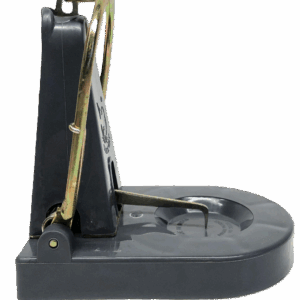
    Original Black Cat Heavy Duty Rat and Rodent Trap Now Available
    Category:
    Tags:

    Nano Black Cat Heavy Duty Rat and Rodent Trap

    Nano Black Cat Rat Trap; compact rat trap with a powerful dual spring kill bar and bite to trigger design for fast, effective rodent control in tight spaces

    Category:
    Tags:
  • Best Rat Trap for Fast and Effective Rodent Control | Black Cat Rat Traps

    Rats can cause serious damage to homes, garages, food storage areas, and agricultural buildings. They contaminate food, chew through wiring, and reproduce quickly if left unchecked. Choosing the best rat trap is one of the most effective ways to eliminate rodents quickly without relying on poisons or complicated control systems.

    In this guide we explain what makes a rat trap effective, the different types of traps available, and why professional pest control users often rely on the Black Cat Rat Trap for reliable rodent control.

    What Makes a Good Rat Trap?

    Not all rat traps perform the same. A high quality trap should be powerful, reliable, and sensitive enough to trigger when a rat naturally investigates bait.

    The best rat traps typically include several important features:

    Trigger sensitivity
    A good trap should activate easily when a rat bites or pulls bait. If the trigger requires too much force, rodents may steal bait without triggering the trap.

    Kill power
    The trap must deliver enough force to dispatch rats quickly and humanely. Strong springs and a thick kill bar are essential for effective rodent control.

    Durability
    Professional traps are often reused many times. Heavy duty materials such as steel components and reinforced plastic allow traps to withstand repeated use.

    Ease of setting
    A trap should be simple to set without complicated parts or fragile mechanisms.

    Professional pest control technicians often choose traps that combine high trigger sensitivity with strong spring power, ensuring that rats are dispatched quickly once the bait is taken.

    Types of Rat Traps

    There are several types of rat traps available. Each type has advantages and disadvantages depending on the situation.

    Snap Traps

    Snap traps are the most traditional and widely used rat traps. They use a spring loaded kill bar that strikes the rodent when the trigger is activated.

    Advantages of snap traps include:

    • Fast and effective rodent control
    • Reusable design
    • No chemicals or poisons
    • Simple and reliable mechanism

    Professional grade snap traps remain one of the most trusted methods for controlling rats in homes, warehouses, farms, and commercial buildings.

    Electric Rat Traps

    Electric traps use batteries to deliver a lethal shock when a rodent enters the trap chamber.

    While effective, electric traps require batteries and can be more expensive than mechanical traps.

    Glue Traps

    Glue traps capture rodents using a sticky adhesive surface. These traps are sometimes used for monitoring rodent activity but are generally less effective for large rats and may require additional handling after capture.

    For most situations, mechanical snap traps remain the preferred solution for fast and reliable rat control.


    Best Professional Rat Trap

    The Black Cat Rat Trap has been used successfully around the world for professional rodent control. Its unique design combines a sensitive trigger system with powerful dual springs that deliver a fast and decisive strike.

    Unlike many traditional snap traps, the Black Cat trap uses a bite-and-tug trigger mechanism. The trap activates when bait is bitten and pulled upward, triggering the powerful kill bar.

    Key features include:

    • Unique bite-trigger mechanism for reliable activation
    • Dual spring system for powerful strike force
    • Heavy duty steel kill bar designed for quick dispatch
    • Durable construction for long-lasting performance
    • Reusable design suitable for repeated use

    Because of its reliability and durability, the Black Cat Rat Trap has become a trusted solution for homeowners, pest control professionals, and agricultural users.


    Best Rat Trap for Tight Spaces

    In some situations, standard traps may be too large to place effectively. Tight areas such as cabinets, crawlspaces, behind appliances, and storage shelves require a more compact trap.

    The Nano Black Cat Rat Trap provides the same powerful trigger mechanism in a smaller footprint. This compact trap fits into narrow areas where rodents commonly travel while still delivering the performance expected from the Black Cat design.

    The Nano model is ideal for:

    • Tight crawl spaces
    • Behind appliances
    • Inside cabinets
    • Garages and workshops
    • Narrow rodent runways along walls

    Using a smaller trap in confined areas can significantly improve trapping success.


    What Bait Works Best in the Black Cat Rat Traps?

    Choosing the right bait is essential for attracting rats to the trap.

    The best baits to use in the Black Cat Rat Trap are firm foods that rats must bite and pull, which helps activate the trap trigger.

    Recommended baits include:

    • Dried meats
    • Nuts
    • Dried fruit
    • Pet food pieces

    Soft baits such as peanut butter are generally not recommended for traps that rely on a bite-and-tug trigger system. Rats may lick soft bait without applying enough force to activate the mechanism.

    Using firm bait encourages the rat to pull upward, ensuring the trap triggers properly.


    Where to Place Rat Traps

    Proper trap placement dramatically improves success when controlling rodents.

    Rats typically travel along walls and avoid open areas, so traps should be positioned where rodents naturally move.

    Best placement locations include:

    • Along walls and baseboards
    • Behind appliances such as refrigerators or freezers
    • Inside garages or storage rooms
    • Near known entry points
    • In attics or crawlspaces

    When setting traps, position the trigger side facing the wall, allowing rats traveling along the wall to encounter the bait naturally.

    Using multiple traps in areas with high rodent activity can increase the chances of quickly eliminating the infestation.


    Why Black Cat Rat Traps Are Trusted Worldwide

    Black Cat traps have earned a reputation for reliability due to their simple and powerful design. The combination of durable construction, sensitive triggering, and strong springs provides consistent results in many environments.

    Users around the world rely on Black Cat traps for rodent control in:

    • Homes
    • Farms
    • Warehouses
    • Food storage areas
    • Workshops and garages

    Because they do not rely on chemicals or poisons, mechanical traps remain one of the most straightforward and effective methods for controlling rats.


    Choosing the Best Rat Trap

    Selecting the best rat trap depends on several factors, including the location of the infestation and the available space for trap placement.

    For most situations, a heavy duty snap trap with strong springs and a sensitive trigger provides the fastest and most reliable rodent control.

    The Black Cat Rat Trap and the compact Nano Black Cat Rat Trap offer two effective solutions designed for both standard placements and tight spaces.

    By using durable traps, proper bait, and correct placement, rats can often be eliminated quickly and efficiently

    Nano Black Cat Heavy Duty Rat and Rodent Trap

    Nano Black Cat Rat Trap; compact rat trap with a powerful dual spring kill bar and bite to trigger design for fast, effective rodent control in tight spaces

    Category:
    Tags:

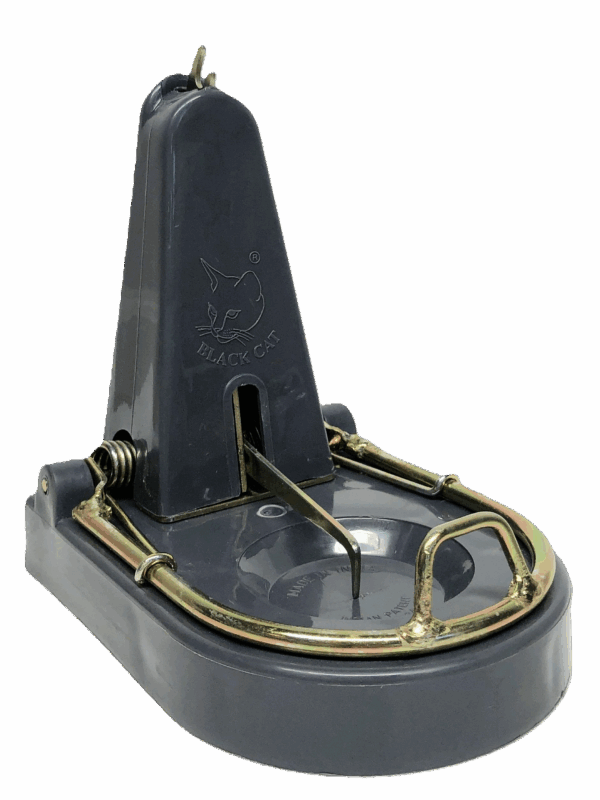
    Black Cat Heavy Duty Rat and Rodent Trap

    Original Black Cat Heavy Duty Rat and Rodent Trap Now Available
    Category:
    Tags:
  • The Black Cat Difference

    The Black Cat Rat Trap stands out in several key ways compared to other traps on the market:

    1. Unique Trigger Mechanism: Unlike conventional traps that activate with downward pressure, the Black Cat Rat Trap triggers when rodents pull or tug upwards on the bait. This innovative design not only prevents bait theft but also makes it effective for trap-shy rodents who are cautious of traditional traps.
    2. Heavy-Duty Construction: Built with powerful springs and a robust steel kill bar, the Black Cat Rat Trap ensures a swift and humane kill. Its sturdy construction makes it durable and suitable for heavy-duty use, outperforming many lighter traps in the market.
    3. Effectiveness: Due to its unique triggering method and strong kill bar, the Black Cat Rat Trap is highly effective in catching rats and other rodents quickly and efficiently. It addresses the shortcomings of traps that may fail to activate or catch the rodent effectively.
    4. Safety and Reliability: Designed with safety in mind, the Black Cat Rat Trap minimizes the risk of accidental activation, making it safer to set and handle compared to some other traps that can be more prone to misfiring.
    5. Proven Performance: Widely recognized around the globe for its reliability and effectiveness, the Black Cat Rat Trap has gained a reputation among professionals and consumers alike as a superior choice for rodent control.

    These attributes make the Black Cat Rat Trap a preferred option for those seeking a reliable and efficient solution to rodent problems.

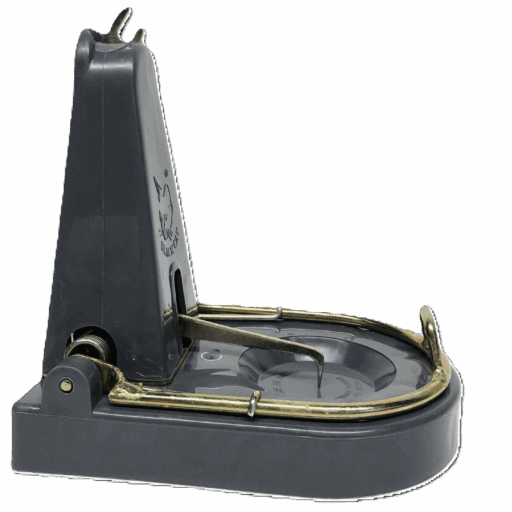
    Black Cat Heavy Duty Rat and Rodent Trap

    Original Black Cat Heavy Duty Rat and Rodent Trap Now Available
    Category:
    Tags:

    Nano Black Cat Heavy Duty Rat and Rodent Trap

    Nano Black Cat Rat Trap; compact rat trap with a powerful dual spring kill bar and bite to trigger design for fast, effective rodent control in tight spaces

    Category:
    Tags: