Category: Uncategorized

  • Rat Stealing Bait From Trap? Why It Happens and How to Stop It

    One of the most frustrating problems in rodent control is discovering that rats have stolen the bait from a trap without triggering it. Many homeowners and property managers experience this situation repeatedly.

    You carefully place bait on a rat trap in the evening, only to find the bait gone the next morning while the trap remains untouched.

    This problem is extremely common and usually happens because of rat behavior combined with trap design.

    Fortunately, several proven techniques can stop rats from stealing bait and dramatically improve trapping success.


    Why Rats Steal Bait From Traps

    Rats are intelligent animals that are cautious around new objects. When a rat encounters a trap, it may approach slowly and test the bait carefully.

    Many standard rat traps allow rats to remove bait without applying enough pressure to activate the trigger.

    Common reasons rats steal bait include:

    • Weak trigger mechanisms
    • Bait placed incorrectly
    • Traps positioned in the wrong location
    • Traps that rely on downward pressure
    • Cautious or trap-shy rats

    Once a rat successfully steals bait from a trap, it may continue doing so repeatedly.


    Use Sticky Baits Instead of Loose Food

    Loose foods like cheese or bread are easy for rats to remove without triggering the trap.

    Instead, use sticky baits that force the rat to interact with the trigger.

    Good bait choices include:

    • Peanut butter (On appropriate traps)
    • Chocolate spread
    • Soft jerky
    • Nut butter mixtures

    These foods stick to the trigger plate, making it much harder for rats to steal bait without activating the trap.


    Use Small Amounts of Bait

    Many people add too much bait to the trap.

    Large amounts of bait allow rats to nibble small pieces without triggering the trap.

    A small pea-sized amount of bait works best.

    This forces the rat to pull directly on the trigger mechanism.


    Pre-Feed Rats to Build Confidence

    If rats have been avoiding traps or stealing bait repeatedly, the pre feeding technique can be very effective.

    Pre feeding allows rats to become comfortable eating from the trap before it is activated.

    How to Pre Feed Rats

    1. Place the trap without setting it.
    2. Add bait such as oats or peanut butter.
    3. Allow rats to feed on the bait for several nights.
    4. Once rats are confidently eating, set the trap.

    Oats work especially well because rats can easily feed on them and often return repeatedly.

    By allowing rats to feed safely from the trap first, their confidence increases. When the trap is finally activated, they are much more likely to trigger it.


    Place Traps Along Walls

    Rats rarely travel across open spaces.

    Instead, they move along walls and edges to stay protected.

    For best results:

    • Place traps along walls
    • Position traps perpendicular to the wall
    • Face the trigger toward the wall

    This placement ensures the rat naturally encounters the trigger as it travels along its normal path.


    Use Multiple Traps

    When dealing with rats that steal bait, using only one trap often fails.

    Professional pest control technicians typically use several traps at once.

    Spacing traps every 10 to 20 feet along walls increases the chances of success.


    Why Trap Design Matters

    Many traditional traps rely on downward pressure triggers.

    Rats can sometimes remove bait from these traps without applying enough pressure to activate the mechanism.

    This is one reason bait theft is so common.

    Traps designed with more responsive triggers are often more successful at catching cautious rats.


    Why the Black Cat Rat Trap Helps Prevent Bait Theft

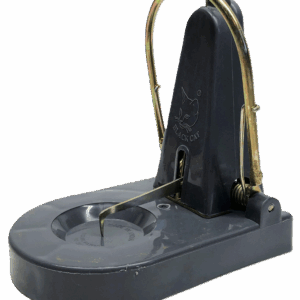
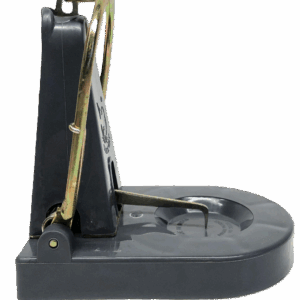
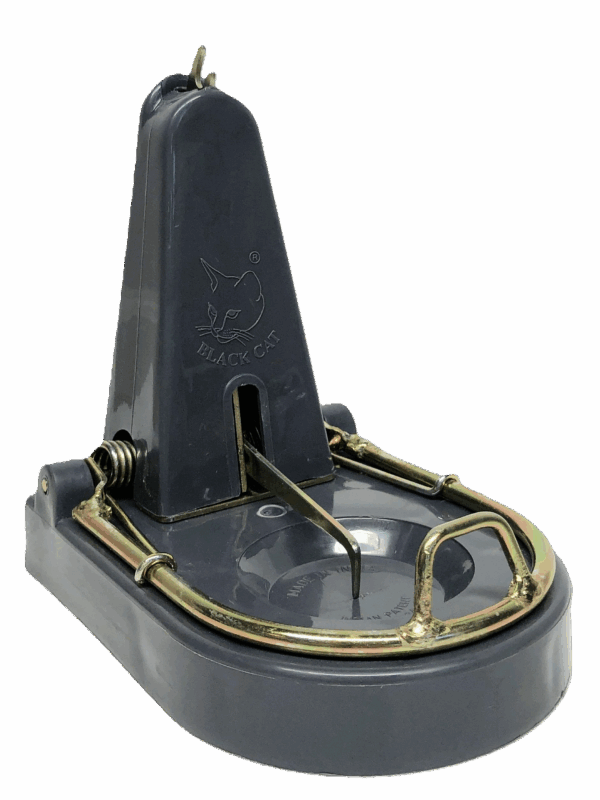
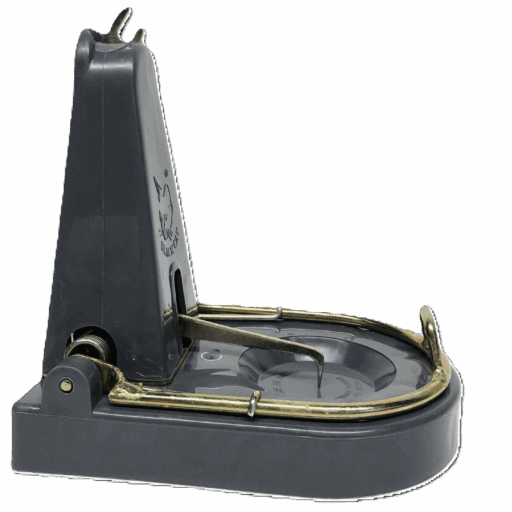
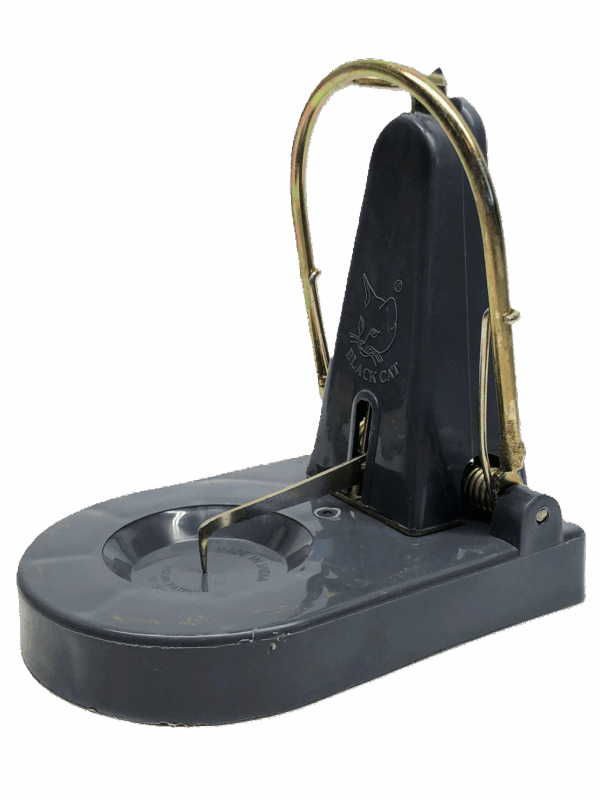
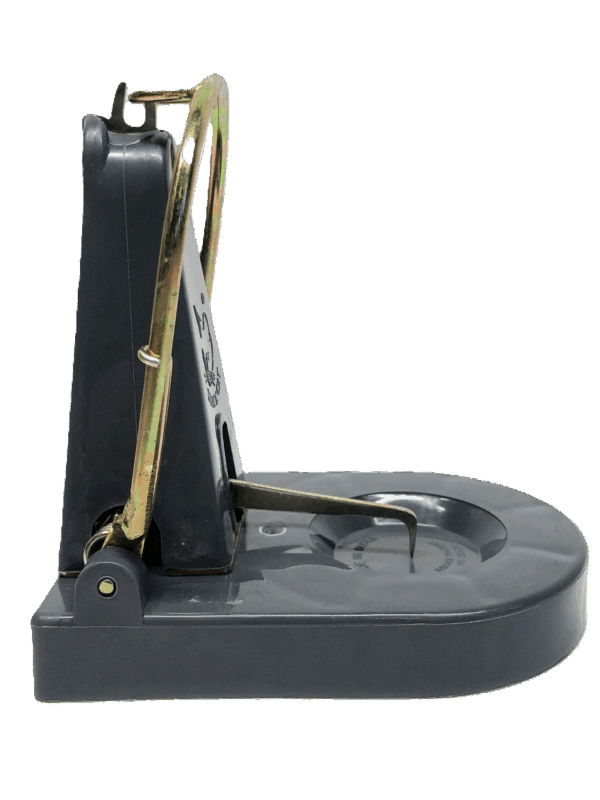
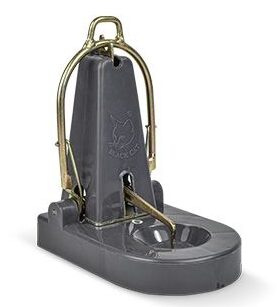
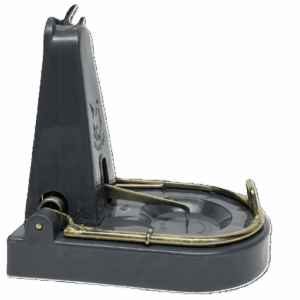
    The Black Cat Rat Trap uses a unique upward-triggering mechanism.

    Instead of requiring downward pressure, the trap activates when a rat pulls upward on the bait.

    This natural motion makes it much harder for rats to steal bait without triggering the trap.

    When combined with techniques like pre feeding with oats, the trap becomes even more effective.

    Rats gain confidence feeding from the trap and are more likely to trigger the mechanism once it is set.

    For situations where rats repeatedly steal bait from traps, using a trap designed to trigger more reliably can make a significant difference.

    Best Professional Rat Traps for Reliable Rodent Control | Black Cat

    Best Rat Trap for Fast and Effective Rodent Control | Black Cat Rat Traps

    Best Rat Trap for Trap Shy Rats | How to Catch Rats That Avoid Traps
  • Best Rat Trap for Trap Shy Rats | How to Catch Rats That Avoid Traps
    How to Catch Trap-Shy Rats: Proven Methods That Actually Work

    Rats are intelligent animals. After encountering traps or danger, many become what pest control professionals call trap shy rats. These rodents learn to avoid traditional traps or steal bait without triggering them.

    If you have ever placed a rat trap only to find the bait missing the next morning, you have likely experienced this problem.

    Fortunately, there are several proven techniques used by pest control professionals to catch trap-shy rats effectively. Understanding rat behavior and adjusting your trapping strategy can dramatically increase success.


    Why Rats Become Trap Shy

    Rats quickly learn from negative experiences. If a rat is startled by a trap snapping or sees another rat injured, it may avoid similar traps in the future.

    Common reasons rats become trap-shy include:

    • Poorly placed traps
    • Weak trigger mechanisms
    • Traps that allow bait theft
    • Traps placed in open areas
    • Repeated exposure to the same trap

    When rats become cautious, traditional snap traps often fail.


    Signs You Are Dealing With Trap-Shy Rats

    Several clues indicate rats may be avoiding traps rather than simply ignoring them.

    Look for these signs:

    • Bait missing but trap not triggered
    • Traps repeatedly left untouched
    • Rat droppings near traps
    • Food disappearing overnight without capture
    • Rats seen but never caught

    When this occurs, changing your approach is necessary.


    Technique 1: Pre-Feeding Rats to Build Confidence

    One of the most effective professional techniques for catching trap shy rats is pre-feeding.

    Pre feeding allows rats to become comfortable with the trap before it is activated.

    How Pre-Feeding Works

    1. Place the rat trap without setting it.
    2. Add bait such as oats, grains, or peanut butter.
    3. Allow rats to feed on the bait for several nights.
    4. Once rats are confidently eating from the trap, set the trap.

    Oats are commonly used because they are easy for rats to eat and they encourage repeated feeding.

    During the pre feeding period, rats begin to view the trap as a safe food source rather than a threat.

    Once the trap is finally set, the rat’s guard is lowered and capture rates increase dramatically.

    This technique is widely used in warehouses, barns, and commercial facilities where rats have learned to avoid traps.


    Technique 2: Place Traps Along Walls

    Rats rarely travel across open spaces. Instead, they move along walls and edges for protection.

    Proper trap placement dramatically increases effectiveness.

    Best locations include:

    • Along walls
    • Behind equipment
    • Near food sources
    • Inside garages or barns
    • Near rodent entry points

    Always place traps perpendicular to the wall, with the trigger facing the wall. This ensures the rat encounters the trigger naturally as it travels along its path.


    Technique 3: Use Multiple Traps

    When dealing with trap-shy rats, using only one trap often fails.

    Professional pest control technicians typically use multiple traps at once.

    Placing several traps increases the chances that a rat will interact with one of them.

    Spacing traps every 10–20 feet along walls can significantly improve results.


    Technique 4: Use the Right Bait

    Some rats ignore certain baits depending on available food sources.

    Effective rat baits include:

    • Peanut butter
    • Dried meat or jerky
    • Nuts
    • Oats or grains
    • Chocolate

    Experimenting with different baits can help determine what rats in your environment prefer.


    The Problem With Many Standard Rat Traps

    Many standard rat traps rely on downward pressure triggers.

    This design allows rats to:

    • Steal bait from the trap
    • Nibble around the trigger
    • Avoid triggering the mechanism entirely

    Trap shy rats quickly learn how to defeat these traps.

    This is why pest control professionals often look for traps designed to prevent bait theft and trigger more reliably.


    Why the Black Cat Rat Trap Is Effective for Trap Shy Rats

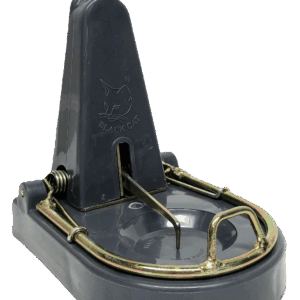
    The Black Cat Rat Trap was designed with a unique upward-triggering mechanism.

    When a rat pulls upward on the bait, the trigger activates instantly.

    This design reduces the common problem of rats stealing bait without triggering the trap.

    Combined with the pre feeding technique, the trap becomes even more effective.

    By allowing rats to eat oats or other attractive baits from the trap for several nights before setting it, they gain confidence around the device. Once the trap is finally activated, the upward trigger mechanism helps ensure the rat cannot easily steal the bait.

    The result is a trapping system that works well even when dealing with experienced or trap shy rats.


    Final Thoughts

    Catching trap-shy rats requires patience and the right strategy.

    Techniques like:

    • Pre feeding with oats
    • Proper trap placement
    • Using multiple traps
    • Selecting the right bait

    can dramatically improve success.

    However, the design of the trap itself also plays a critical role. Traps that allow bait theft or require precise downward pressure often fail against cautious rats.

    By combining professional trapping techniques with a trap designed to trigger reliably, it becomes much easier to control even difficult rodent infestations.

    The Black Cat Rat Trap offers a durable, professional solution for situations where ordinary traps fail, helping property owners, farms, warehouses, and pest control professionals solve one of the most frustrating problems in rodent control.


    Frequently Asked Questions

    What are trap-shy rats?

    Trap shy rats are rodents that have learned to avoid traps after previous encounters with them.

    Why do rats steal bait from traps?

    Many traps allow rats to remove bait without triggering the mechanism, especially if the trigger requires downward pressure.

    What bait works best for rats?

    Peanut butter, oats, nuts, dried meat, and chocolate are commonly effective rat baits.

    How long should you pre-feed rats?

    Pre feeding typically lasts 2–4 nights before setting the trap.

    Best Professional Rat Traps for Reliable Rodent Control | Black Cat

    Best Rat Trap for Fast and Effective Rodent Control | Black Cat Rat Traps

    The Complete Guide to Rat Control (Traps, Bait, and Prevention)