One of the most common questions people ask when dealing with rodents is how many rat traps they should use.
Many people place only one trap and expect immediate results. Unfortunately, this approach rarely works.
Professional pest control technicians almost always use multiple traps at once to increase the chances of catching rats quickly.
Understanding how many traps to use can dramatically improve your success in controlling a rodent problem.
Why One Rat Trap Usually Fails
Using a single rat trap often leads to frustration.
Rats are cautious animals and may avoid traps that appear unfamiliar.
Additionally, homes, garages, barns, and warehouses often contain multiple rats rather than just one.
Using only one trap means:
- Fewer chances to catch rats
- Slower results
- Higher chance rats avoid the trap
Multiple traps increase the probability that rats will encounter one.
General Rule for Rat Trap Numbers
A good rule used by pest control professionals is:
Use more traps than you think you need.
Typical recommendations include:
- Small room: 2–4 traps
- Garage: 4–6 traps
- Barn: 6–12 traps
- Warehouse: 10+ traps depending on size
Using more traps dramatically improves success rates.
Trap Spacing Guidelines
When placing multiple traps, spacing is important.
Professional guidelines recommend placing traps 10 to 20 feet apart along walls.
Rats typically follow predictable travel routes along walls, making these locations ideal for traps.
Focus on High Activity Areas
Instead of spreading traps randomly, focus on areas where rats are most active.
Look for signs such as:
- Droppings
- Gnaw marks
- Grease marks along walls
- Food sources
- Nesting areas
These locations provide the highest chance of success.
Place Traps Along Walls
Rats prefer to travel along edges rather than open spaces.
Always position traps:
- Perpendicular to the wall
- Trigger facing the wall
This placement ensures rats encounter the trigger naturally.
Consider Pre-Feeding When Rats Avoid Traps
If rats avoid traps or repeatedly steal bait, pre-feeding can help.
Pre-feeding involves placing traps unset with bait for several nights.
Oats are commonly used because rats will return repeatedly to feed on them.
Once rats become comfortable feeding from the trap, the trap can be set to increase capture rates.
Choosing the Right Trap
The design of the trap can also influence how many traps are needed.
Traps that allow bait theft or require precise downward pressure sometimes fail to catch rats consistently.
Professional-grade traps designed with reliable trigger mechanisms often improve success rates.
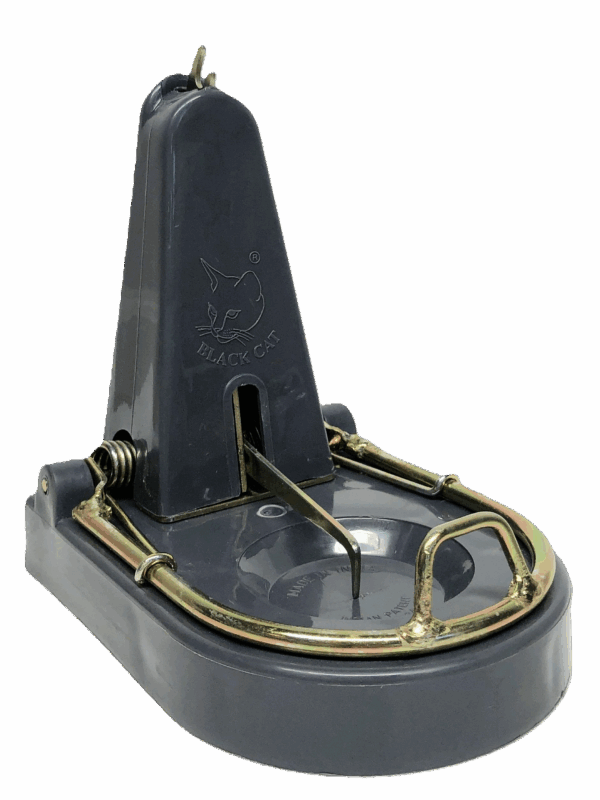
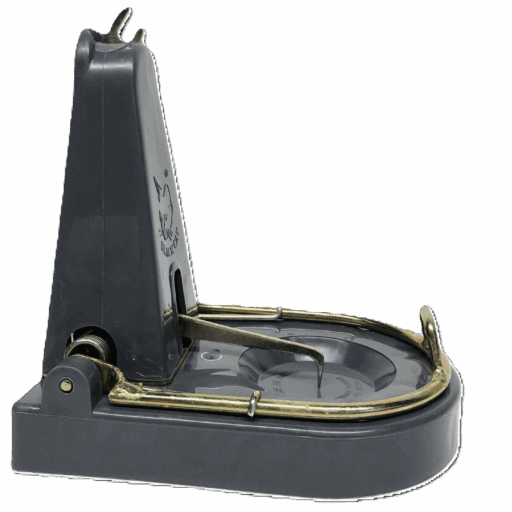
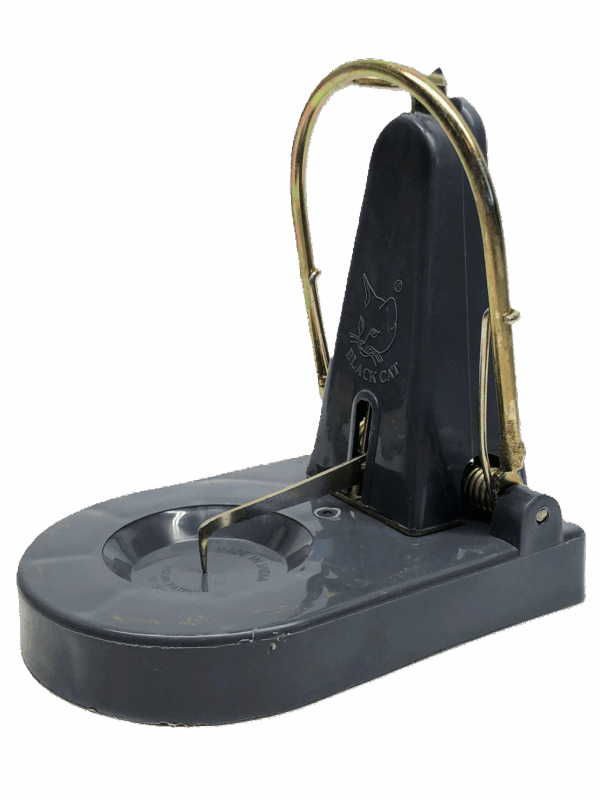
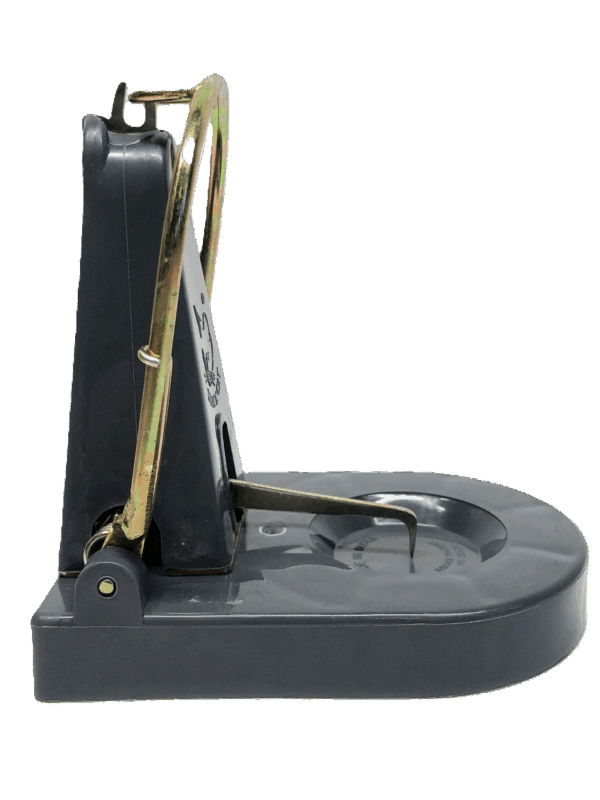
Why the Black Cat Rat Trap Is Effective
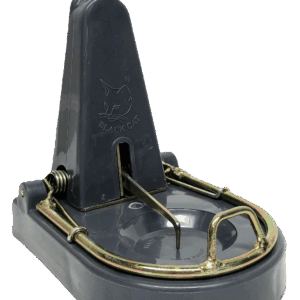
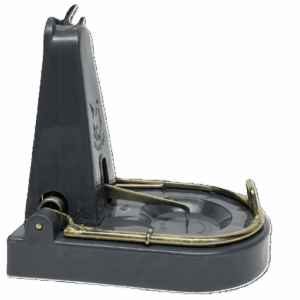
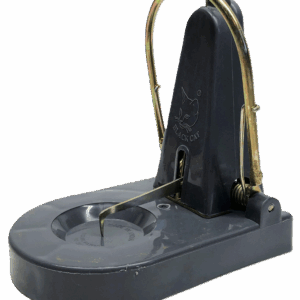
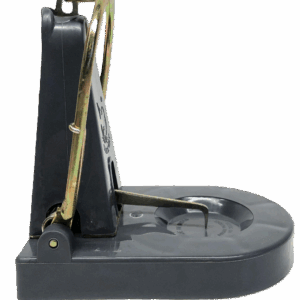
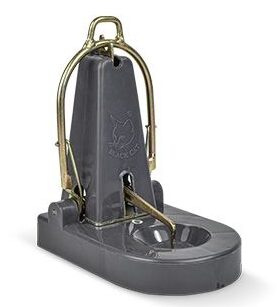
The Black Cat Rat Trap is designed with a unique upward-triggering mechanism.
When a rat pulls upward on the bait, the trap activates quickly.
This design helps prevent bait theft and increases capture success.
When used in proper quantities and combined with good placement techniques, traps like the Black Cat can help property owners, farms, and warehouses control rodent problems much more efficiently.
Best Professional Rat Traps for Reliable Rodent Control | Black Cat
Best Rat Trap for Fast and Effective Rodent Control | Black Cat Rat Traps
Best Rat Trap for Trap Shy Rats | How to Catch Rats That Avoid Traps
Rat Stealing Bait From Trap? Why It Happens and How to Stop It
How Many Rat Traps Should I Use? A Complete Guide
Original Black Cat Heavy Duty Rat and Rodent Trap Now Available
How Many Rat Traps Should I Use? A Complete Guide
Nano Black Cat Rat Trap; compact rat trap with a powerful dual spring kill bar and bite to trigger design for fast, effective rodent control in tight spaces
Leave a Reply
You must be logged in to post a comment.